You are standing in a supermarket aisle, looking at two bags of coffee. Both are the same weight, same roast level, and nearly the same price. One sits upright on the shelf, displaying its branding on a clean, flat front panel. The other lies flat, slightly crumpled, its label partially hidden. Which one do you reach for?
Most consumers pick the first one. Not because it is cheaper or better coffee, but because the packaging signals something about the product: it looks deliberate, stable, and trustworthy. The shape and function of flexible packaging are not just design choices, they are direct contributors to consumer perception and purchasing behavior.
This article explores how pouch design, functionality, and application context shape consumer response and brand value.
How Pouch Shape Signals Product Quality
The shape of a pouch communicates something to the consumer before they have even read the label. It is one of the first visual cues that establishes expectation.
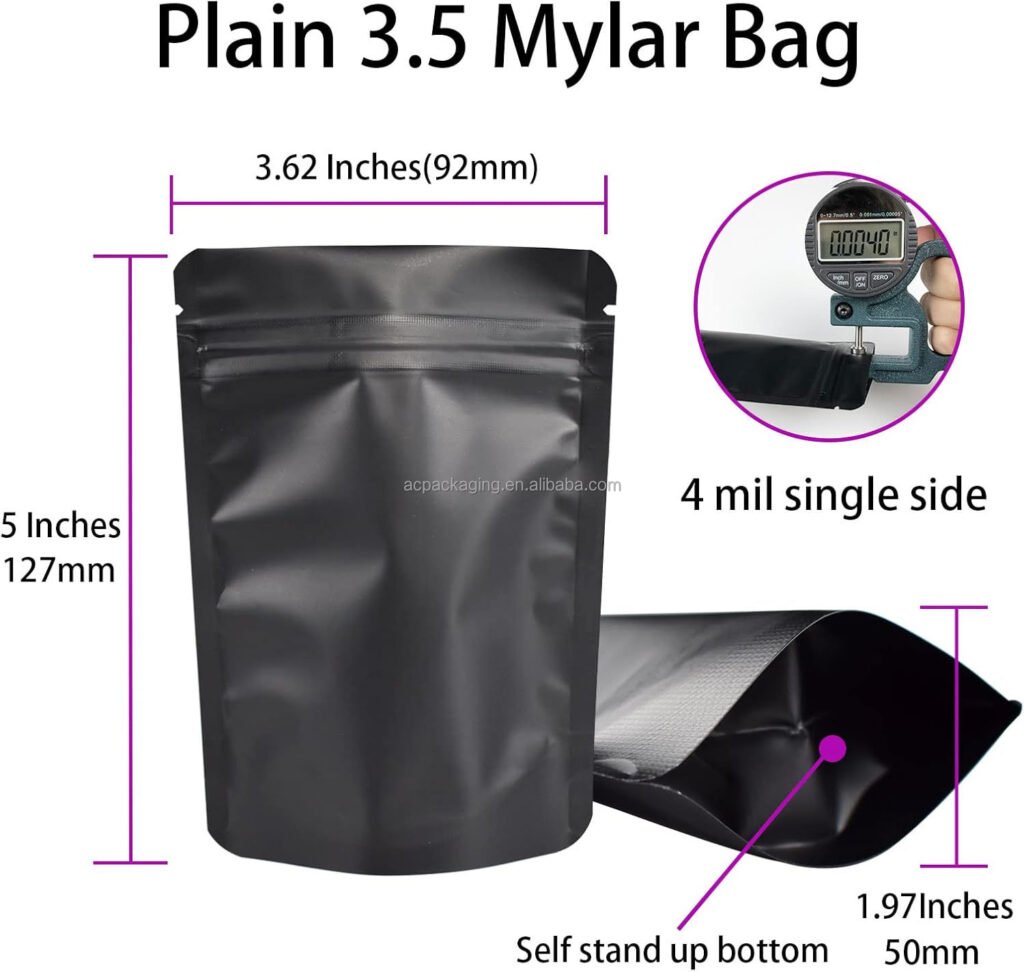
Stand-up pouches have become ubiquitous for a reason. Their ability to stand upright on shelves creates a “billboard effect.” The brand name, logo, and imagery are presented at eye level, maximizing visibility. Products in stand-up pouches are perceived as more professional and higher quality than those in lay-flat formats.
Flat-bottom pouches take this a step further. Their clean, box-like shape suggests precision and craftsmanship. When a product is packaged in a flat-bottom pouch, it carries an implicit message of care and consistency. This is why flat-bottom pouches are increasingly the choice for premium coffee, specialty pet food, and high-end confectionery. For premium products, the pouch itself becomes part of the brand story.
The opposite is also true. A limp, wrinkled pouch can undermine the product it contains. If a packaging shape looks like it cannot hold its own shape, the consumer may reasonably question whether the product inside is fresh, well-manufactured, or worth its price.
Function and User Experience
Packaging shape and functionality determine how the consumer interacts with the product once it reaches the home. This interaction, often called the “user experience,” influences satisfaction and repeat purchase.
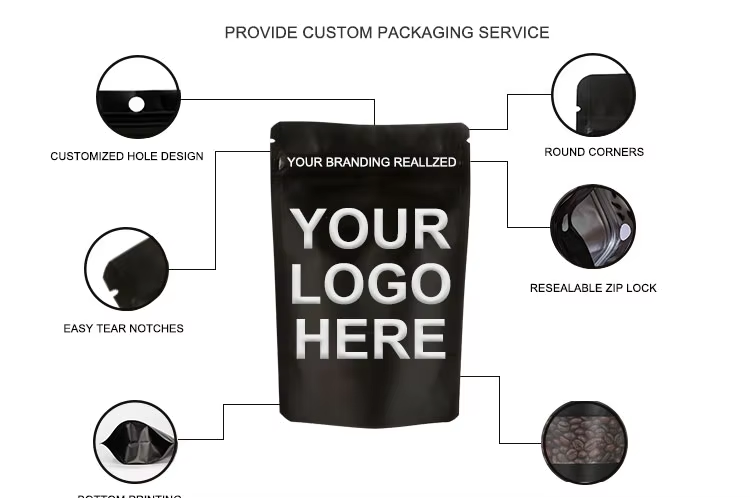
Resealable features are one of the most functional elements of modern flexible packaging. A resealable pouch allows the consumer to open and close the package multiple times without compromising freshness. This is particularly valued in categories like snacks, pet food, and coffee, where freshness is a central concern. Brands that integrate resealable features are effectively saying, “We want this product to stay as fresh as possible for as long as possible,” which reinforces the brand’s commitment to quality.
Spouts represent another evolution in functionality. Spout pouches have changed how liquids and semi-liquids are packaged and consumed. They offer convenience—the consumer can squeeze, pour, or drink directly from the pouch. They are lightweight, portable, and often require less packaging material than rigid alternatives. For products like juices, purees, and liquid supplements, the spout pouch is not just a packaging option—it is a strategic choice that aligns with the product’s intended use.
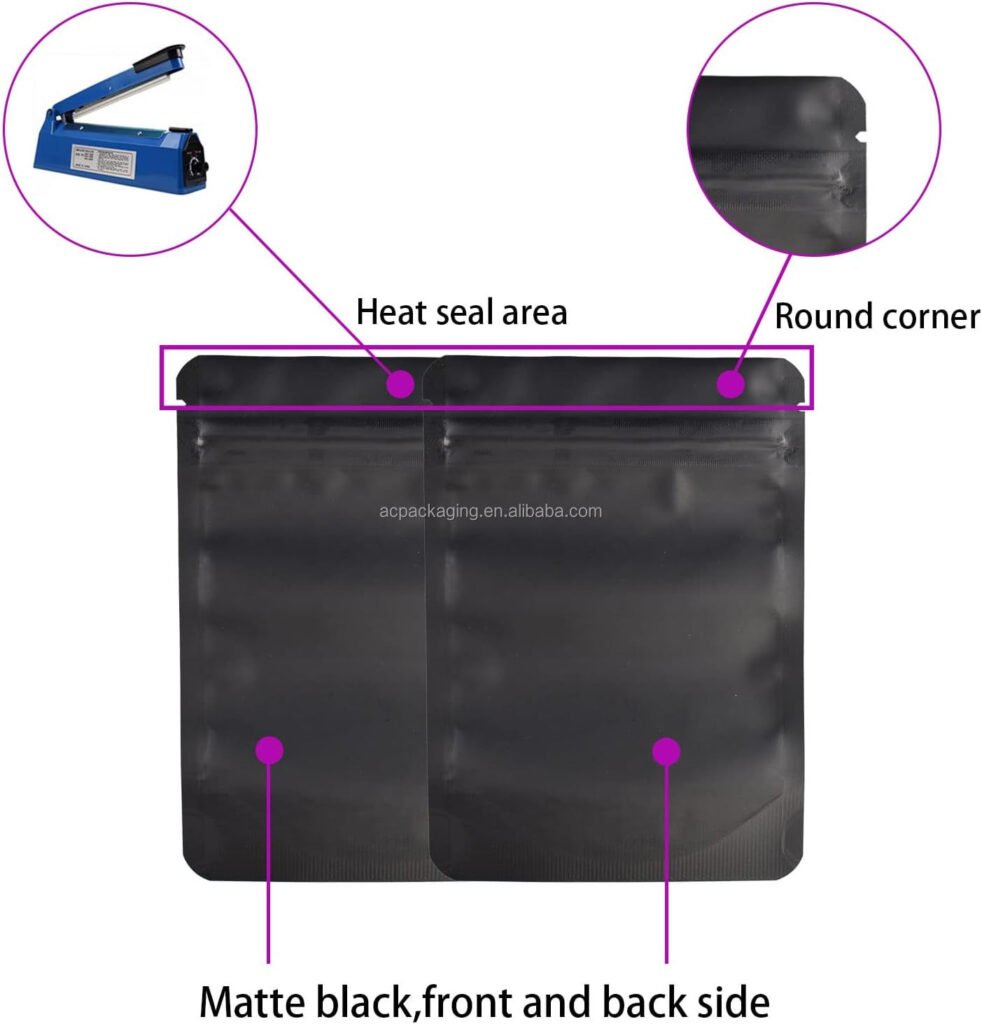
Heat-seal closures and tear notches also play a role in the user experience. A pouch that is easy to open without scissors signals thoughtfulness. A pouch that tears unevenly or spills its contents sends the opposite message.
Functional Additions That Shape Perception
Beyond basic pouch structure, additional functional features can significantly impact consumer response. These additions often justify premium pricing and create differentiation in crowded categories.
Visibility windows allow consumers to see the product inside. This feature addresses a fundamental consumer need: confirmation. In categories like pet food, snack nuts, and coffee beans, being able to see the product confirms quality and freshness, directly influencing purchase decisions.
Valves on coffee bags serve a practical function, they release CO2 while preventing oxygen ingress. But they also signal something to the consumer: this product is fresh, it produces CO2, and the brand has taken steps to preserve that freshness. The valve itself communicates quality.
European closures and child-resistant features address specific regulatory or demographic requirements while also signaling attention to detail. In markets where safety is a primary concern, these features are not optional, they are essential.
Application Context and Consumer Response
The same pouch type can trigger entirely different responses depending on the product category and retail context. Understanding this relationship helps brand owners make more informed packaging decisions.
In the food category, packaging shape and function are often tied to specific usage occasions. A flat-bottom pouch for gourmet coffee signals morning ritual and premium experience. A stand-up pouch with a zipper for trail mix suggests on-the-go convenience. A spout pouch for fruit puree implies ease of feeding, appealing directly to parents of young children.
In the pet food category, packaging shape communicates different values. A premium frozen-raw brand may use a flat-bottom pouch to suggest careful formulation and quality ingredients. A conventional dry food brand may rely on the practicality of a large stand-up pouch with handle for easy carrying and storage.
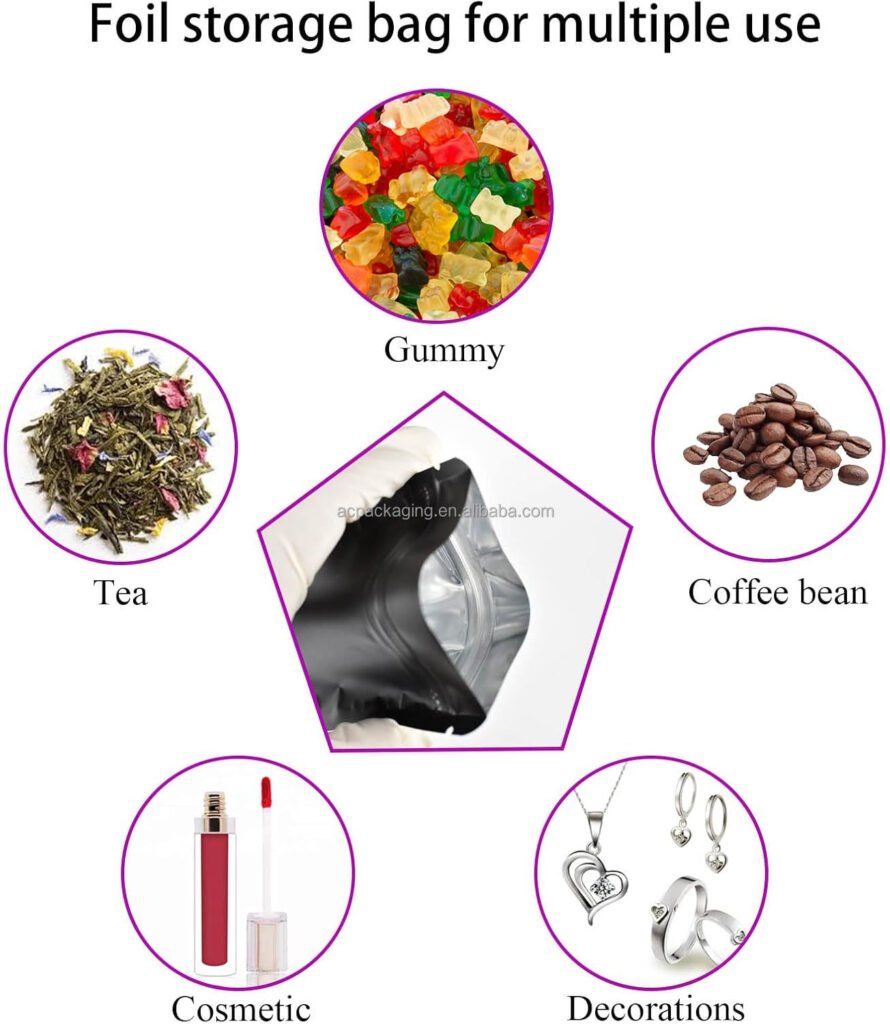
In the cosmetics and personal care category, packaging shape is often the primary visual differentiator. Sachet packaging for sample-size products communicates accessibility and low commitment, while sleek, minimalist pouches for high-end skincare products communicate sophistication. The relationship between packaging shape and product positioning is especially visible in retail settings where multiple brands compete for attention.
What Brand Owners Should Consider
When evaluating pouch design options, the following factors are worth careful consideration.
First, consider the product’s physical characteristics. Is it a dry solid, a powder, a liquid, or a semi-liquid? The product’s form determines the baseline packaging requirements, including barrier needs and dispensing method.
Second, consider the product’s usage context. Will the consumer open and close the package multiple times over several weeks, or will it be consumed in a single sitting? Will it be stored in a pantry, a refrigerator, or carried on the go? These questions shape the functionality requirements.
Third, consider the retail environment. Will the product be displayed on a shelf, in a refrigerated case, or hung on a peg? The physical space available influences shape and size decisions.
Fourth, consider the brand’s positioning. Is the product premium or value-oriented? The packaging shape and material choices should align with the brand’s price point and intended customer base.
Fifth, consider consumer expectations. In some categories, certain pouch shapes and functions have become expected features. Failing to meet these expectations can be as detrimental as exceeding them.
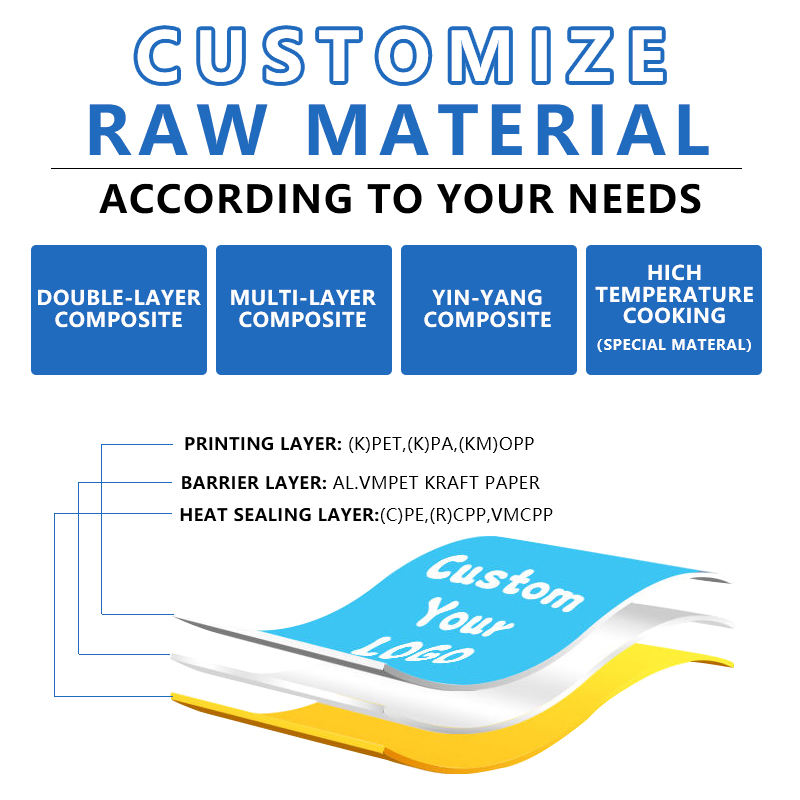
Finally, consider the production constraints. Some pouch shapes and functions are more complex to produce than others, affecting lead time and minimum order quantities. These operational factors should be weighed alongside the strategic benefits.
The shape and function of flexible packaging are not secondary decisions—they are central to how consumers perceive and interact with a product. For brand owners, the choice of pouch design is a direct communication about quality, care, and usability. It is not just about containing the product. It is about signaling what the product represents.