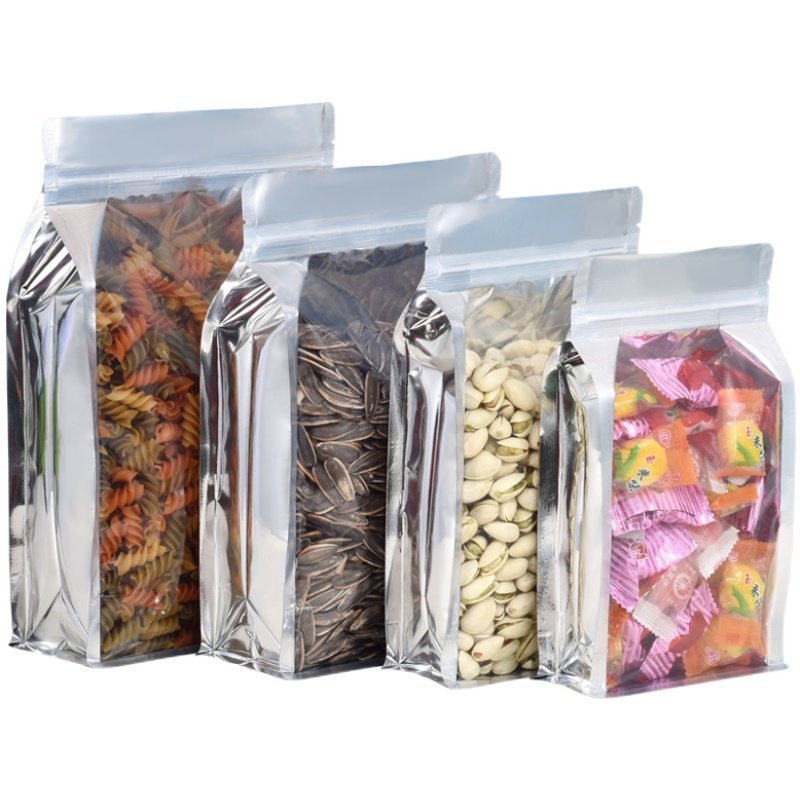


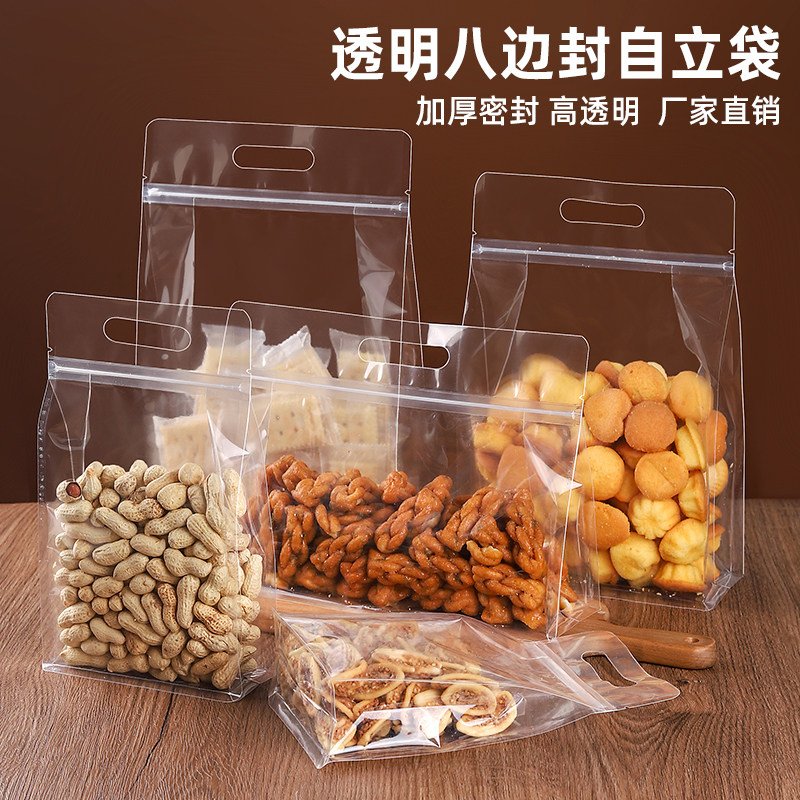
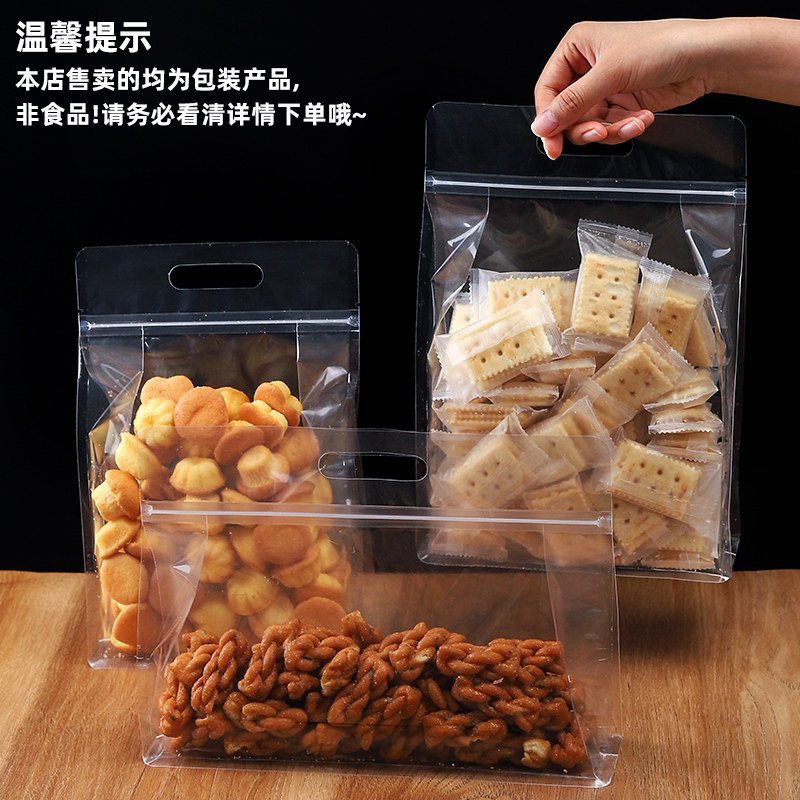
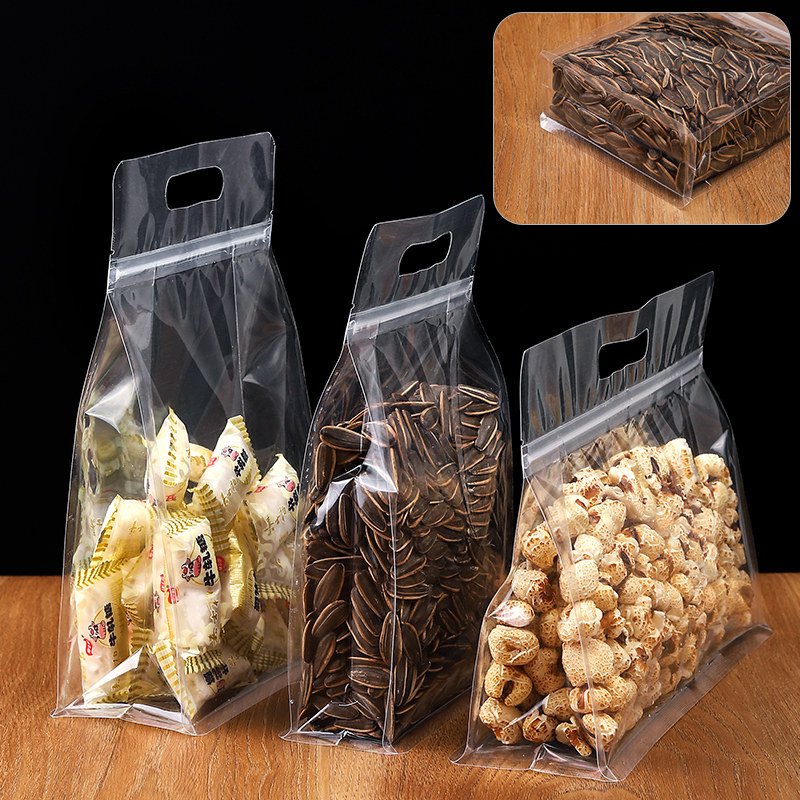
When consumers walk down a supermarket aisle, Packaging that allows them to see the product inside is inherently more appealing.
Clear Packaging builds trust. It reassures the buyer that the food looks fresh, the hardware is intact, or the cosmetic is the right color.
Nonetheless, for brand owners, the temptation to use fully transparent Packaging is strong.
However, there is a fundamental conflict in packaging science: what makes a package visually clear often makes it a poor barrier. Balancing visual appeal with product protection is one of the most common challenges in flexible packaging design.
Additionally, the enemy of clear packaging is light and oxygen.
The primary function of packaging is to protect the product.
Additionally, the two biggest threats to most consumer goods are oxygen and light.
Packaging materials, such as standard PET or BOPP films, offer excellent clarity.
However, standard clear films provide a very limited barrier against oxygen and moisture.
They also offer zero protection against UV light.
Light exposure can rapidly degrade products, causing colors to fade.
Vitamins in food may break down, and essential oils may evaporate.
Packaging an oxygen-sensitive product, such as nuts or coffee, in a clear package without the right structure is risky.
However, the product will spoil much faster than it would in an opaque package.
This applies to light-sensitive items such as certain snacks or dairy.
These strategies balance clarity, protection, and Packaging for effective communication.
If you want the marketing benefits of a clear package, you must not sacrifice shelf life.
Moreover, you have to get creative with material structures.
1. High-Clarity Barrier Films
You don’t have to use opaque aluminum foil to get a barrier. Advanced technologies like Aluminum Oxide (AlOx) or Silicon Oxide (SiOx) coatings can be applied to clear PET films. These coatings are microscopic, completely transparent, and provide an excellent barrier against oxygen and moisture. Another option is EVOH, a transparent polymer that offers high oxygen barrier properties when properly protected from moisture.
2. Window Patching
If a full clear pouch isn’t feasible for your product’s shelf life, consider a window patch. This involves using a high-barrier multi-layer laminate (like foil or metallized film) for the main body of the pouch, and leaving a small transparent window. The consumer can see the product, but the majority of the package is protected from light and oxygen.
3. UV Blockers
If you are using a clear film, consider adding a UV blocker to the coating or the adhesive layers. This allows the package to remain visually clear to the human eye while blocking the specific wavelengths of light that cause product degradation.
4. Marketing the Packaging
Sometimes the solution isn’t just technical; it’s psychological. If your product requires a high-barrier foil structure that cannot be made transparent, design the front of the pack to include high-quality imagery of the product. Use matte finishes or spot UV to draw the eye. A beautiful, opaque design can be just as compelling as a clear window.
The Takeaway Clear packaging is a powerful marketing tool, but it cannot override the laws of chemistry. Brands must test their specific products under the proposed packaging conditions. If the product’s shelf life is compromised, you must either adjust the product’s formulation, add a high-clarity barrier layer, or revert to an opaque design. The perfect package is the one where the marketing department and the quality control lab are in total agreement.