For years, the conversation about sustainable flexible packaging has centered on mono-materials, recyclable laminates, and post-consumer recycled content. But a quieter shift is now gaining momentum, one that could fundamentally change how flexible packaging is designed and specified.
The trend is called “paperization,” and it is moving from concept to mass scaling.
What Paperization Actually Means
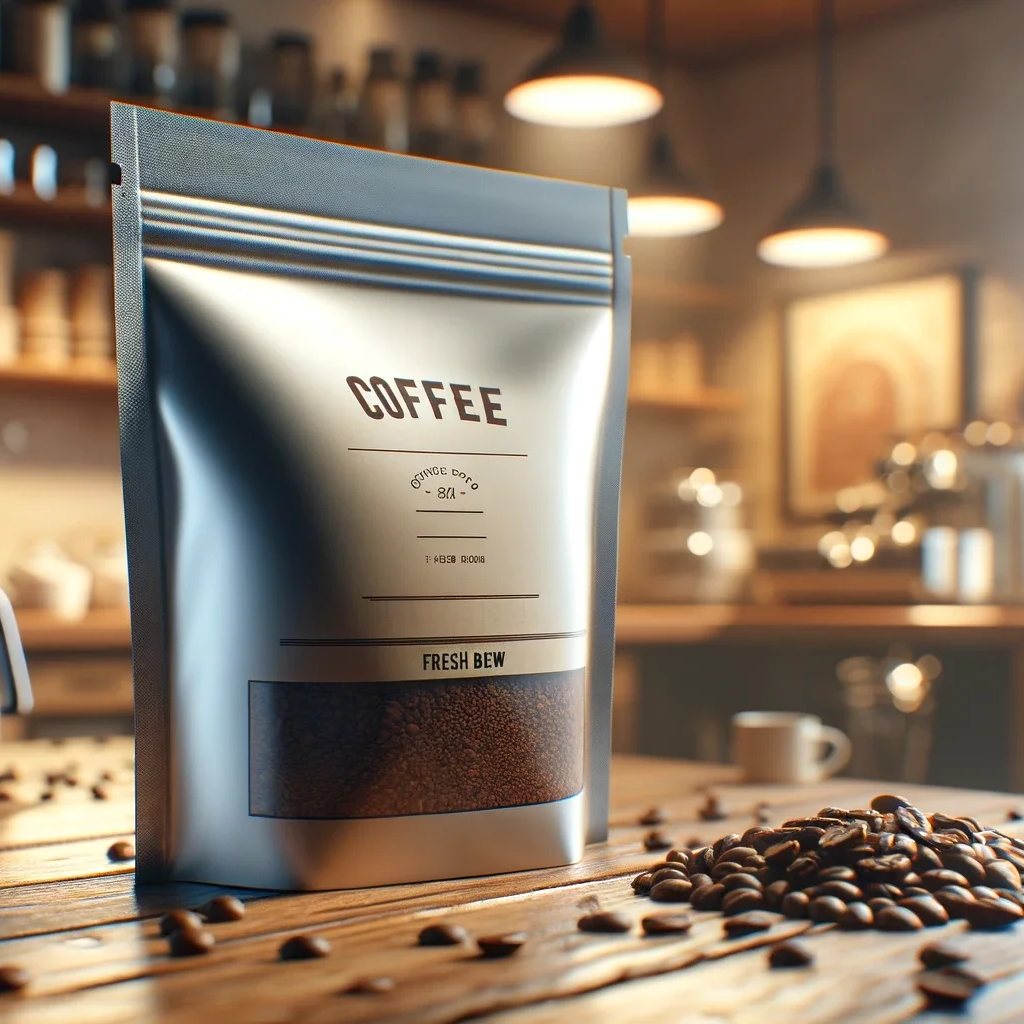
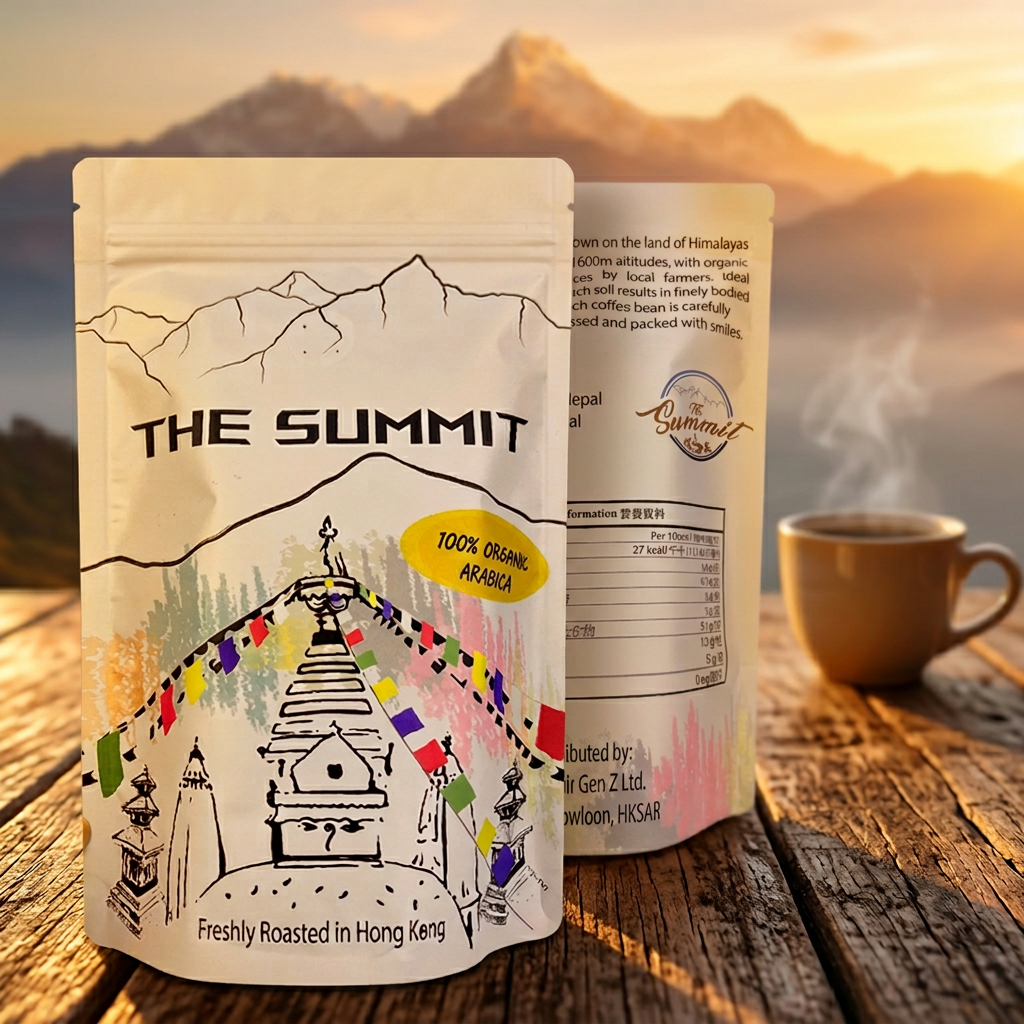
Paperization refers to the replacement of plastic-based flexible packaging structures with fiber-based alternatives, paper and paperboard engineered with functional barrier coatings to perform like plastic.
The driver is regulatory. The EU‘s Packaging and Packaging Waste Regulation (PPWR) requires all packaging on the European market to be recyclable at scale by 2030. Paper, with its established recycling stream and consumer-friendly perception, offers a credible end-of-life pathway that many plastic structures struggle to match.
But paperization is not simply “paper instead of plastic.” It is paper engineered with water-based barrier dispersions that target grease, aroma, and oxygen barrier requirements while remaining compatible with the paper recycling waste stream.
What Has Changed
The most significant development is that paper-based flexible packaging has reached commercial maturity. As one industry executive put it, “We‘re not talking about innovation pilots anymore, we’re talking about mass scaling”.
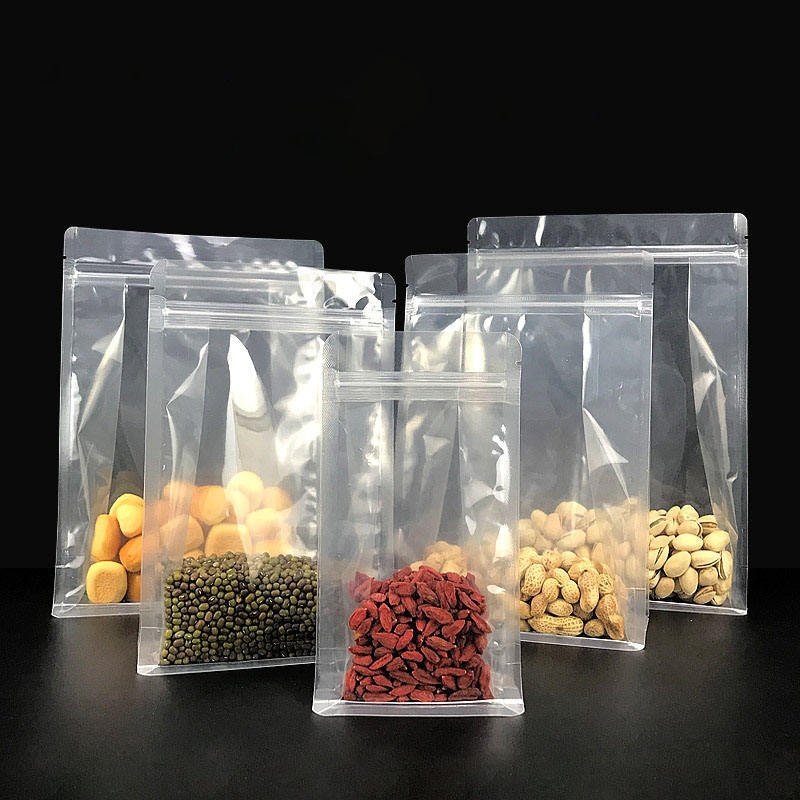
Suppliers now offer paper qualities ranging from heat-sealable grades for greasy dry foods such as spices to more sophisticated multi-barrier formats. These papers are engineered to run on standard form-fill-seal machinery across flow packs, block-bottom bags, three-side seal bags, and standard pouches.
The commercial framing has also shifted. Paper is no longer evaluated against plastic on substrate cost alone but on total cost of ownership, regulatory exposure, and consumer trust.
The Performance Trade-Offs
Paper-based flexible packaging has made significant progress, but it is not a drop-in replacement for all plastic structures.
The primary challenge is barrier performance. Paper is inherently porous and lacks the moisture, oxygen, and grease resistance that plastic films provide. Barrier coatings address this gap, but they add complexity and cost. The sophistication of these barriers is expected to evolve dramatically, with combinations of barriers becoming more detailed and the use of non-recyclable material diminishing.
Machinability is another consideration. While suppliers report that their papers run on standard equipment, converters must validate performance on their specific lines. Feedstock variability and the tolerance of existing equipment for new materials remain real concerns.
What Brand Owners Should Consider
If you are evaluating paper-based flexible packaging for your products, here are the key questions to work through.
First, assess your product‘s barrier requirements. Paper-based solutions are most suitable for dry, low-moisture, low-fat products. For high-moisture, high-fat, or oxygen-sensitive products, paper may not yet provide adequate protection.
Second, evaluate total cost of ownership. Paper may reach cost parity or preference over plastic on total cost of ownership, particularly when regulatory exposure and consumer trust are factored in. But the initial material cost may still be higher than conventional plastic structures.
Third, verify recyclability in your target markets. While paper has an established recycling stream in Europe, recycling infrastructure varies by region. Confirm that paper-based packaging will actually be recycled in the markets where your products are sold.
Fourth, test machinability on your specific equipment. Supplier claims about compatibility should be validated with your actual production lines. Paperization is not a universal solution, but it is a significant and growing trend in flexible packaging. Brand owners who understand its capabilities and limitations will be better positioned to make informed decisions as regulatory pressure and consumer expectations continue to evolve.