
If you‘ve been following packaging industry news over the past two years, you’ve likely encountered the term “mono-material” more and more frequently. Major brands are announcing commitments to transition their flexible packaging to mono-material structures by 2025 or 2027. Retailers are asking suppliers about recyclability. And regulators in Europe and elsewhere are tightening requirements around packaging waste.
But what does this actually mean for brand owners? Is mono-material packaging always better? And if you‘re considering the switch, what do you need to know before making the decision?
This guide breaks down the differences between traditional multi-layer laminates and emerging mono-material alternatives, explains the trade-offs, and gives you a practical framework for evaluating what’s right for your product.

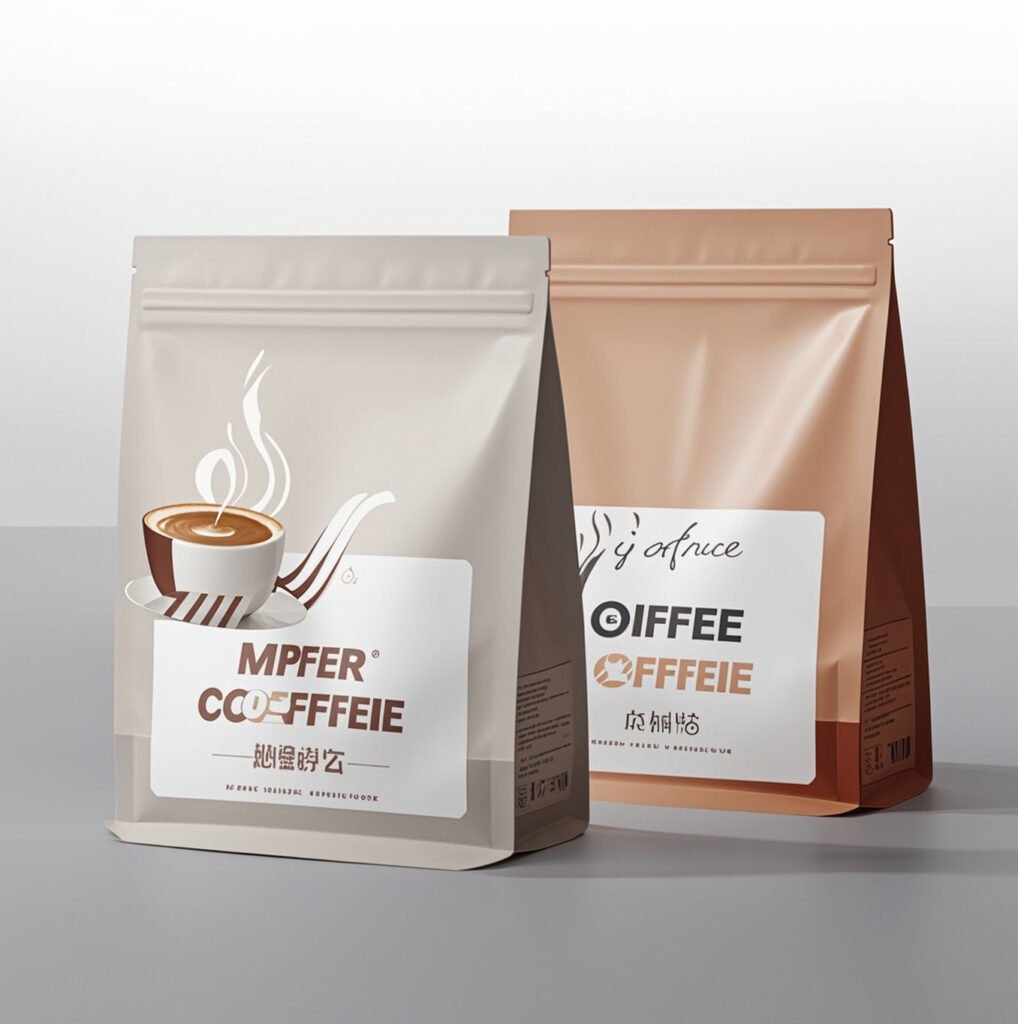
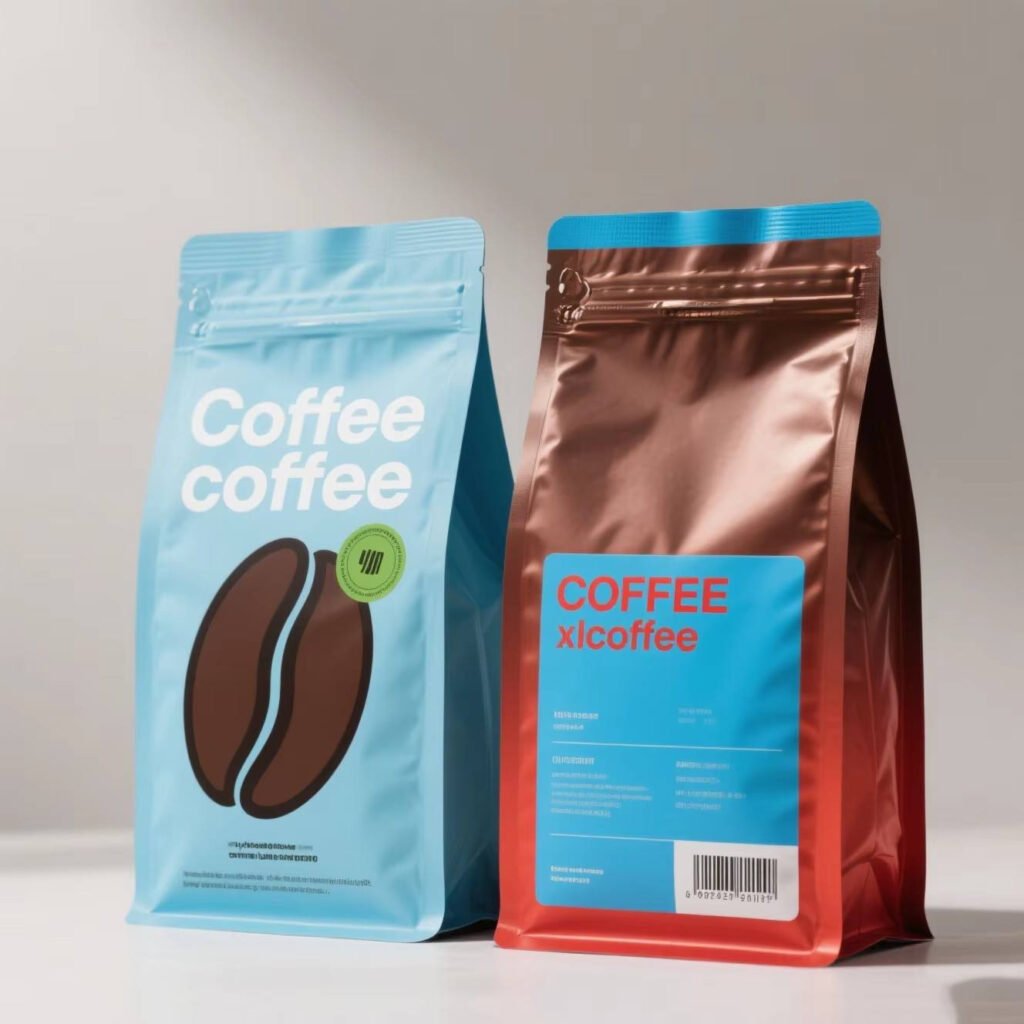
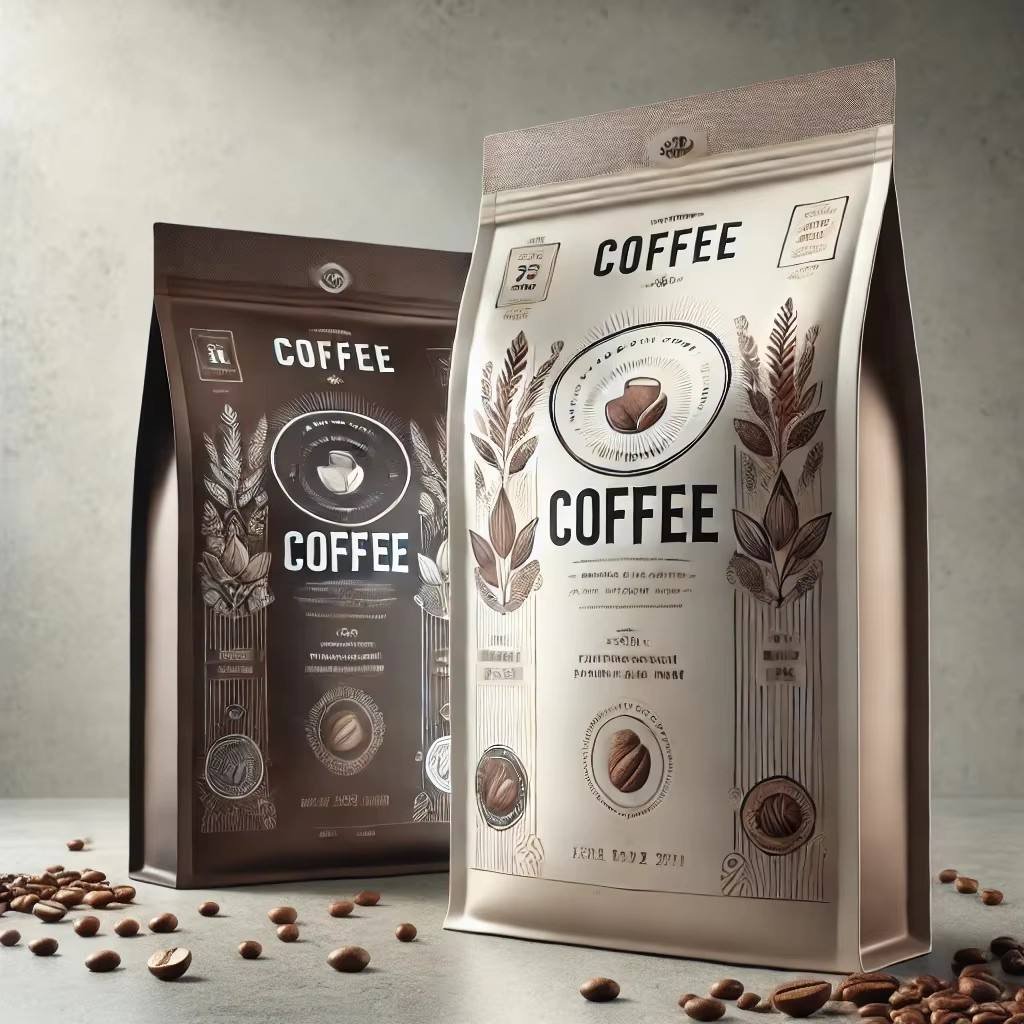
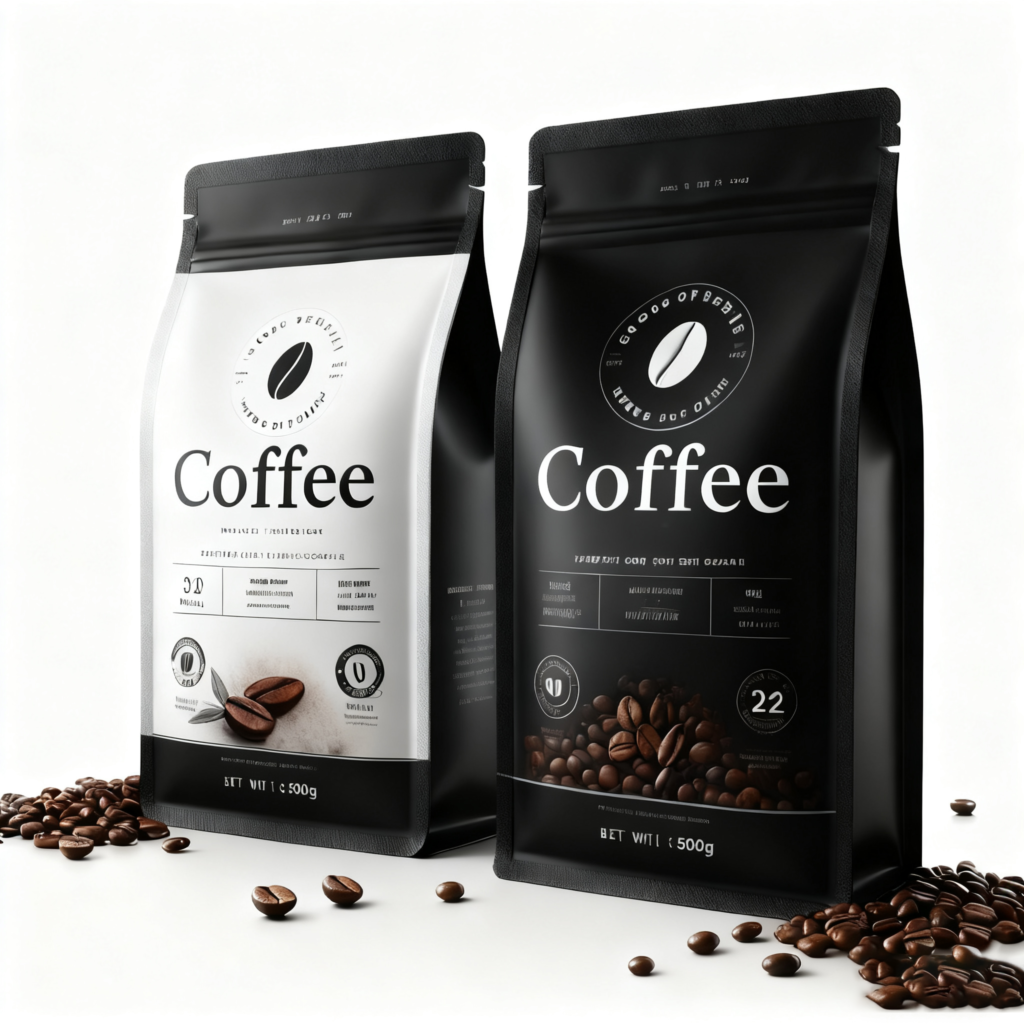
Understanding the Difference: Multi-Layer vs. Mono-Material
Traditional flexible packaging has relied on multi-layer laminates for decades. These structures combine two, three, or even more layers of different materials—typically PET, aluminum foil, and PE—to achieve the specific barrier properties required for different products.
The advantage of multi-layer laminates is that each layer contributes a specific function. The outer layer provides print quality and mechanical strength. The middle layer (often aluminum foil or metallized film) provides oxygen and light barrier. The inner layer provides sealability and food contact safety. By combining these layers, manufacturers can create packaging that is precisely engineered for the product it contains.
The disadvantage is that these multi-material structures are extremely difficult to recycle. Separating the different layers after use requires specialized equipment that most recycling facilities do not have. As a result, the vast majority of multi-layer flexible packaging ends up in landfill or incineration. Current recycling rates for flexible packaging remain low globally, and multi-layer structures are a significant reason why.
Mono-material packaging, by contrast, uses a single polymer family—typically polyethylene (PE) or polypropylene (PP)—for all layers. Each layer may have different properties (different densities, different additives), but because they are all from the same material family, the entire structure can be recycled together without requiring separation.
The Performance Trade-Offs: What You Gain and What You Lose
The shift to mono-material is driven by sustainability, but it is not without compromises. The most significant trade-off is barrier performance.
Aluminum foil provides an almost absolute barrier to oxygen, moisture, and light. No mono-material PE structure can match that level of protection. For products that require long shelf life or are sensitive to oxygen—such as coffee, nuts, or certain pharmaceuticals—the transition to mono-material may require additional compromises in shelf life or the use of alternative preservation methods.
Similarly, the mechanical strength of multi-layer structures is often superior. The combination of PET‘s strength and PE’s flexibility creates a durable package that resists punctures and tears. Mono-material structures are improving, but they generally do not yet match the durability of multi-layer alternatives.
However, the gap is narrowing. Advances in barrier coatings and engineered PE films are closing the performance gap. New high-barrier PE materials can now achieve oxygen transmission rates that were previously only possible with aluminum foil. While not yet equivalent, the difference is becoming small enough that for many applications, mono-material is a viable alternative.
Cost Implications: What to Expect
The cost picture is more complex than simply “mono-material is more expensive.” Here is what you need to know.
Currently, mono-material packaging structures generally carry a premium compared to standard multi-layer laminates. This is partly due to the higher cost of specialty barrier films and partly due to the limited production scale. As more brands adopt mono-material, the cost gap is expected to narrow.
However, there are also cost savings to consider. Mono-material packaging is typically lighter than multi-layer alternatives, which can reduce transportation costs. It is also simpler to source, as you are dealing with a single material type rather than multiple suppliers for different layers.
The most significant cost factor, however, may be regulatory. In markets where extended producer responsibility (EPR) schemes and packaging taxes are being implemented, non-recyclable packaging is increasingly penalized. In some European countries, the tax differential between recyclable and non-recyclable packaging is already significant enough to offset the higher material cost of mono-material alternatives.
How to Evaluate Whether Mono-Material Is Right for Your Product
Before making the switch, work through these questions.
First, determine your product‘s shelf life requirement. If your product has a shelf life of less than six months and does not require extreme barrier protection, mono-material is likely a viable option. If your product has a shelf life of twelve months or more or is highly sensitive to oxygen or moisture, you need to evaluate whether mono-material can meet your requirements or whether you need to consider alternative preservation methods.
Second, evaluate your current packaging performance. Review your historical quality data. If you have experienced issues with seal failures, punctures, or other mechanical problems, mono-material may not be the right choice until the technology improves further.
Third, consider your market positioning. If sustainability is a key part of your brand identity, the switch to mono-material may be worth the premium. If your customers are price-sensitive and do not prioritize sustainability, the cost may be harder to justify.
Fourth, review the regulatory landscape in your target markets. If you sell in Europe or other regions with strict packaging regulations, the shift to mono-material may become a compliance requirement sooner rather than later.
Common Mistakes to Avoid
One common mistake is assuming that any mono-material structure is automatically recyclable. The reality is that recyclability depends on local recycling infrastructure. A mono-material PE pouch that is technically recyclable may not be accepted by recycling facilities in your target market. Always verify recyclability in your specific markets.
Another mistake is switching to mono-material without validating performance. We have seen brands make the switch only to discover that the new packaging does not provide adequate protection, leading to product quality issues and returns. Always conduct thorough testing before committing to a full production run.
Finally, some brands assume that mono-material is the only path to sustainability. This is not the case. Material reduction, the use of post-consumer recycled content, and design for reuse are all legitimate sustainability strategies that may be more appropriate for certain products.
What to Look For in a Mono-Material Packaging Partner
When evaluating suppliers for mono-material packaging, look for manufacturers that have documented testing data for their mono-material structures, can provide samples for your own testing, understand the recyclability requirements in your target markets, offer guidance on the transition without overpromising performance, and have experience with similar products to yours.