
Packaging costs can creep up without you noticing. This guide breaks down five actionable strategies to reduce flexible packaging expenses while maintaining quality, shelf appeal, and product protection.
Packaging is often one of the largest line items in a brand’s production budget, yet many business owners accept high costs as inevitable. The truth is, there are several practical ways to reduce packaging expenditure without compromising the quality, appearance, or protective function of your packaging.
Here are five strategies that can help you lower costs while maintaining the standards your brand requires.
Strategy 1: Optimize Your Packaging Dimensions
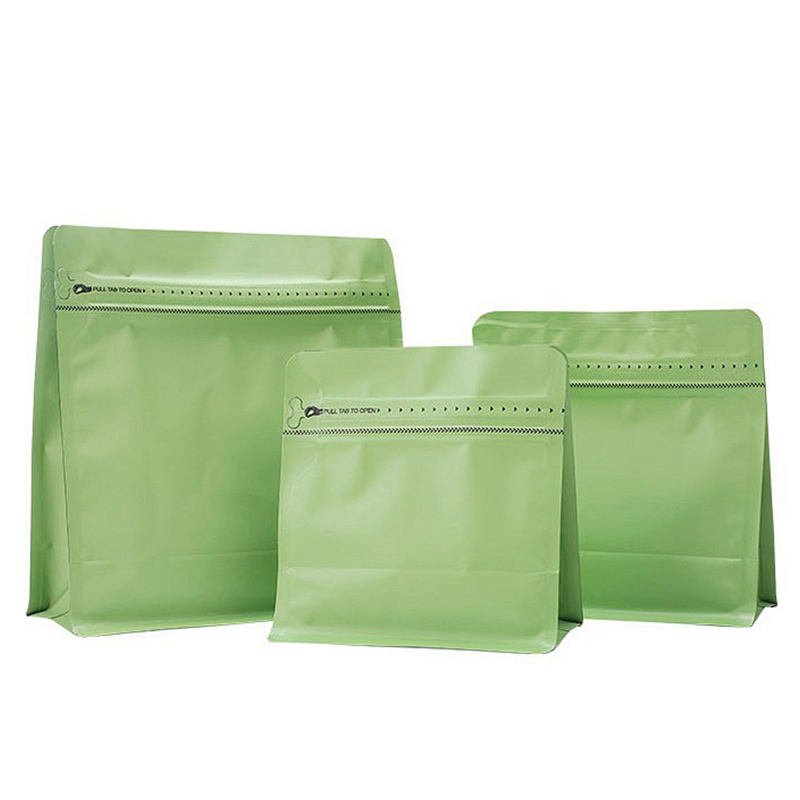
One of the simplest and most overlooked ways to save money is by reviewing your pouch or bag dimensions. Even a small reduction in size can lead to significant savings over a large print run. This doesn’t mean cramming your product into a smaller package—it means designing a package that fits your product precisely without excessive empty space.
Many brand owners use packaging that is larger than necessary because they inherited the dimensions from a previous supplier or never questioned the original design. By conducting a simple measurement audit, you can often reduce the width, height, or gusset depth by a few millimeters. Over tens of thousands of units, that minor reduction translates into measurable material savings.
Strategy 2: Consider Material Substitution Without Performance Loss
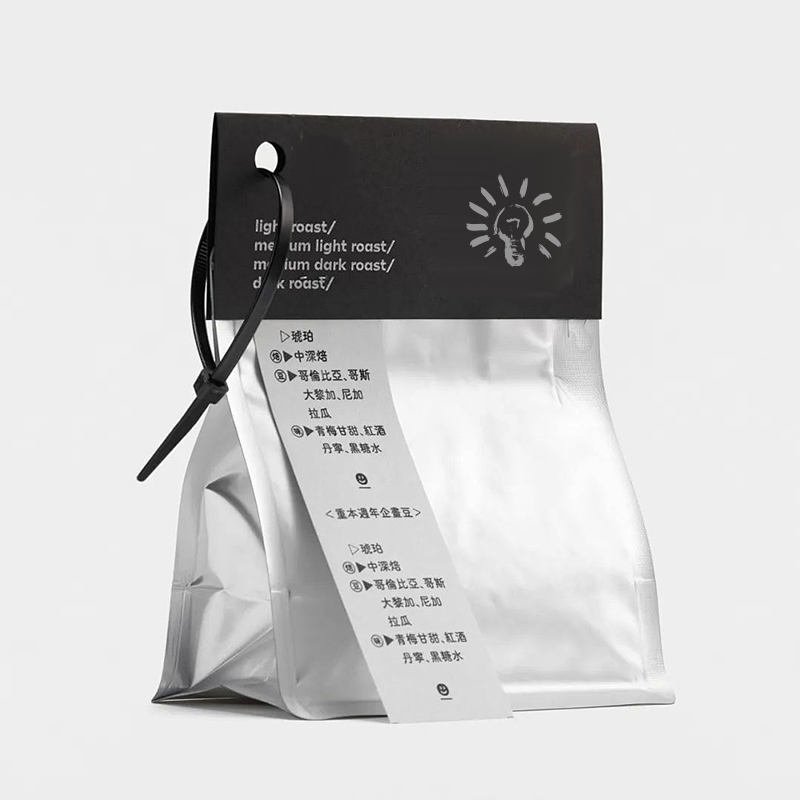
There is a common belief that reducing material quality automatically reduces packaging performance. This is not always true. In many cases, a lower-cost material with similar barrier properties can replace a more expensive option without affecting shelf life or product protection.
For example, switching from a thicker lamination structure to a thinner one with the same oxygen and moisture barrier can reduce material costs significantly. Similarly, using a standard film instead of a specialized one, where the product does not require the extra performance, is a straightforward way to reduce expenses. The key is to work with a manufacturer who understands material science and can recommend cost-effective alternatives based on your specific product requirements.
Strategy 3: Adjust Print Coverage and Color Count
Printing costs are directly tied to the number of colors and the total surface area covered by ink. Reducing either factor can lower your packaging costs.
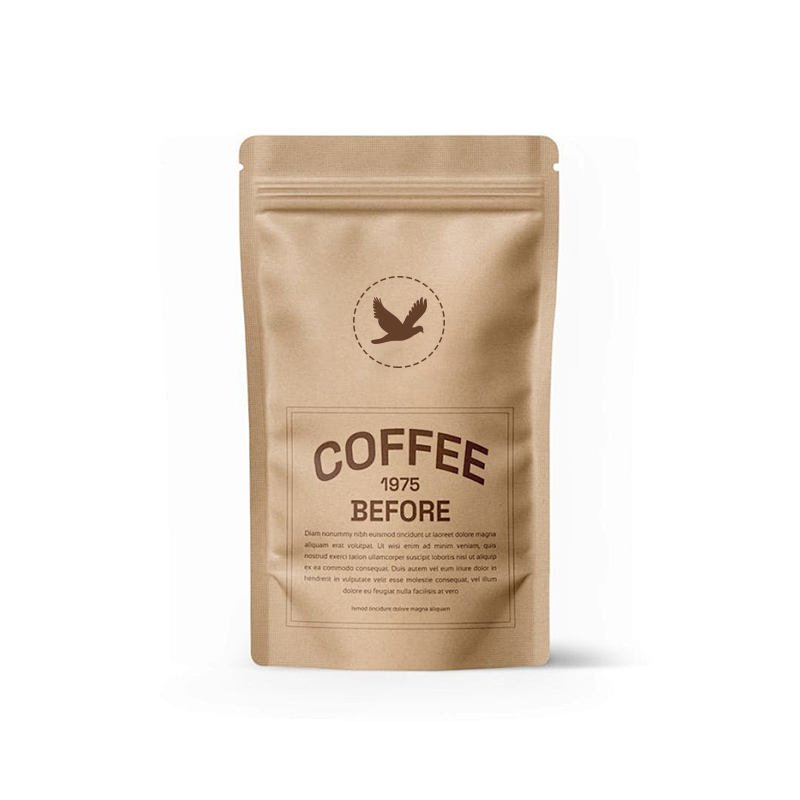
If your current packaging design uses six colors, consider whether the design can be effectively reproduced with five. In many cases, a skilled designer can achieve a similar visual impact with fewer colors by adjusting contrast or simplifying gradients. Similarly, if your packaging has full-coverage printing on both sides, consider whether one side can be left unprinted or printed with a single spot color. These adjustments reduce ink usage and plate costs, which add up quickly across a large order.
Strategy 4: Plan Your Order Quantities Strategically
Printing cost per unit decreases as order volume increases, but this does not mean you should always order the largest possible quantity. The key is to find the volume that balances per-unit cost with inventory holding costs.
For brands that run seasonal promotions or have limited storage space, ordering a moderate quantity at a higher per-unit cost may be more economical than committing to a large run that ties up cash and warehouse space. Conversely, for core products with stable sales, consolidating orders into larger runs can significantly reduce per-unit costs. The optimal order quantity depends on your sales velocity, cash flow, and storage capacity.
Strategy 5: Reduce Waste Through Better Specifications
One of the most common sources of packaging waste is poor specification communication. When a supplier does not receive clear, accurate specifications, they may produce samples or initial runs that do not meet your requirements, leading to rework and additional costs.
Providing detailed specifications from the start—including exact dimensions, material requirements, print quality expectations, and seal strength parameters—reduces the risk of errors and rework. This also allows your supplier to optimize their production process for your specific requirements, which can lead to faster turnaround times and lower per-unit costs.
Common Mistakes to Avoid
A common mistake is focusing exclusively on per-unit price while ignoring other cost drivers. A slightly higher per-unit cost may be worthwhile if it reduces waste, improves production speed, or enhances shelf appeal. Another frequent error is changing suppliers frequently in pursuit of lower prices, which often leads to inconsistent quality and higher overall costs due to the time spent on boarding new suppliers.
At BESTONE PACKAGES, we help brands reduce packaging costs through material optimization, design reviews, and production planning. Contact us with your current packaging specifications and target budget, and we will recommend cost-effective alternatives that maintain quality.