
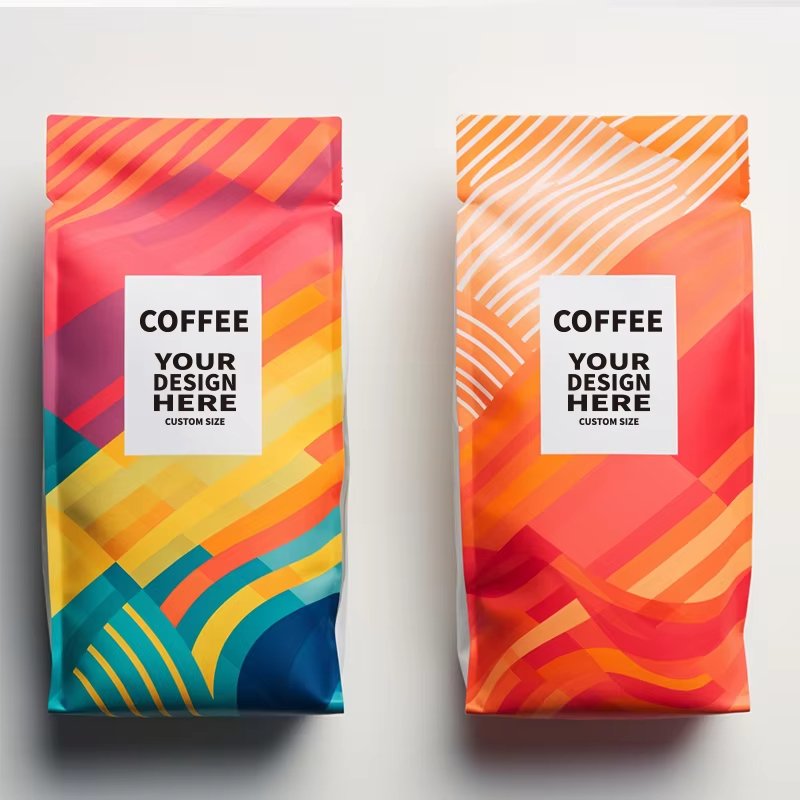
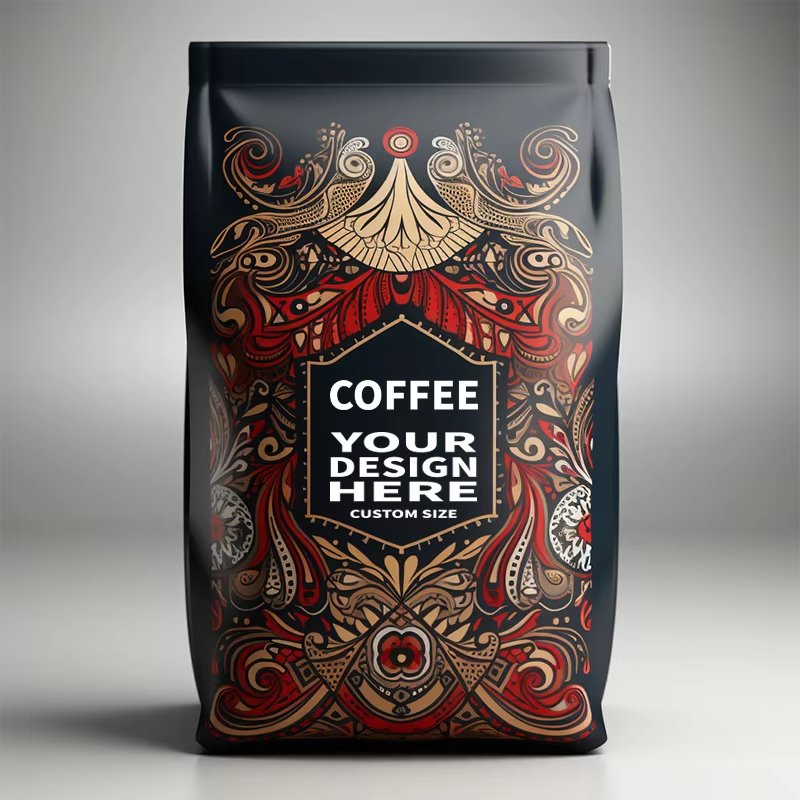
When you source custom flexible packaging from a manufacturer, especially an overseas factory, you are placing a significant amount of trust in their production process. You cannot physically stand on the factory floor every day to watch your pouches being printed, laminated, and sealed. This is why a structured quality control (QC) process is absolutely essential.
Without a clear QC protocol, you might receive packaging with color deviations, weak seals, or incorrect dimensions. These defects can halt your filling lines, cause product spoilage, and result in costly delays. This guide outlines the critical quality control checkpoints you should establish with your packaging supplier.
The Pre-Production Stage: Getting It Right First
Quality control does not start when the finished goods are packed. It starts before the first drop of ink is mixed. The pre-production stage is where the majority of defects are prevented.
First, you need a digital proof and physical sample. The digital proof ensures the artwork layout, typography, and color separations are correct before making plates. However, a physical sample (often called a mock-up or prototype) is crucial for verifying the actual look and feel. You should approve a physical sample of the exact material structure you will use.
Second, establish a Golden Sample. Once you approve the physical sample, it must be sealed and signed by both you and the factory. This sample becomes the ultimate reference point. Every production run will be compared against this Golden Sample for color, print quality, and material feel.
During Production: The Inline Inspections
Once mass production begins, the factory should have its own inline inspection systems. Modern printing and lamination machines are equipped with cameras and sensors that detect defects in real-time. However, as a buyer, you should still mandate third-party or on-site inspections at specific milestones.
The most critical inspection point is during the printing and lamination phase. The inspector should check the color against the Pantone book or the Golden Sample under standardized lighting (usually D65 light). They should also check for print defects like registration issues (where colors do not align perfectly), ink smudges, or scratches.
Another key checkpoint is the sealing and bag-making phase. This is where the structure is converted into a pouch. The inspector should test the seal strength, check the zipper or spout functionality, and verify the dimensions (width, length, and gusset) against the technical drawing.
The Pre-Shipment Inspection: Your Final Safety Net
Before the goods are packed into cartons and loaded onto a vessel, a pre-shipment inspection (PSI) should be conducted. This is often done using the AQL (Acceptable Quality Limit) standard.
During a PSI, the inspector will pull a random sample of cartons based on the AQL level you agree upon. They will check the quantity, packaging integrity (are the cartons strong enough for sea freight?), and product labeling. They will also perform functional tests, such as opening and closing the zippers multiple times to ensure they do not break, or testing the spouts for leakage.
Setting Up Your QC Protocol
To protect your investment, you should write your QC requirements directly into your purchase order or supply agreement. Specify the AQL levels, the color tolerance (using Delta E values), and the required seal strength (measured in grams per inch or Newtons).
You do not have to do this alone. There are professional third-party inspection companies that operate in China and other manufacturing hubs. They can act as your eyes and ears on the factory floor. The cost of an inspection is minimal compared to the cost of receiving thousands of defective bags.
The Bottom Line
Quality control is a collaborative effort between the brand owner and the manufacturer. A reputable packaging supplier will welcome a structured QC process because it protects their reputation as much as yours. By establishing clear checkpoints from the Golden Sample to the pre-shipment inspection, you can ensure that the packaging you receive is exactly what you paid for.