If you’ve ever approved a packaging sample and been disappointed by the final mass-produced result, you’re not alone. One of the most common frustrations brand owners face is the gap between “what the design looks like on screen” and “what actually comes off the production line.” More often than not, the issue traces back to one decision made early in the process: choosing the wrong printing method for the job. In the world of flexible packaging printing, getting this decision right is the foundation of a successful packaging program.
The three most common printing technologies for flexible packaging—digital printing, gravure printing, and flexographic printing—each have distinct strengths and trade-offs. The right choice depends not just on your budget, but on your expected order volume, required color accuracy, artwork complexity, material type, and even your target market’s regulatory requirements.
This guide walks through each method in plain terms, compares their real-world performance, and gives you a practical framework to make the right call before you approve that first sample.
What Is Digital Printing and Who Is It For?
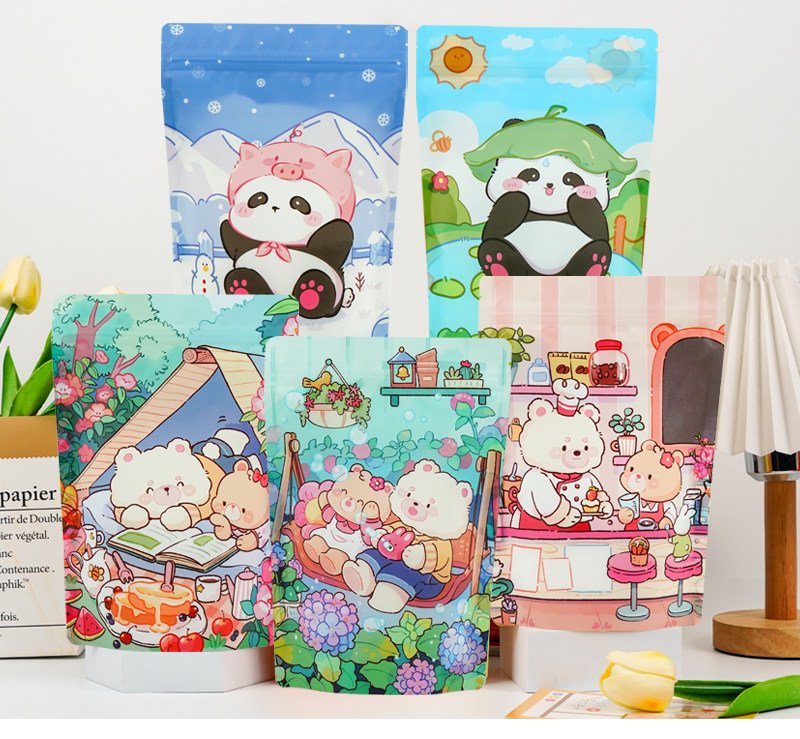
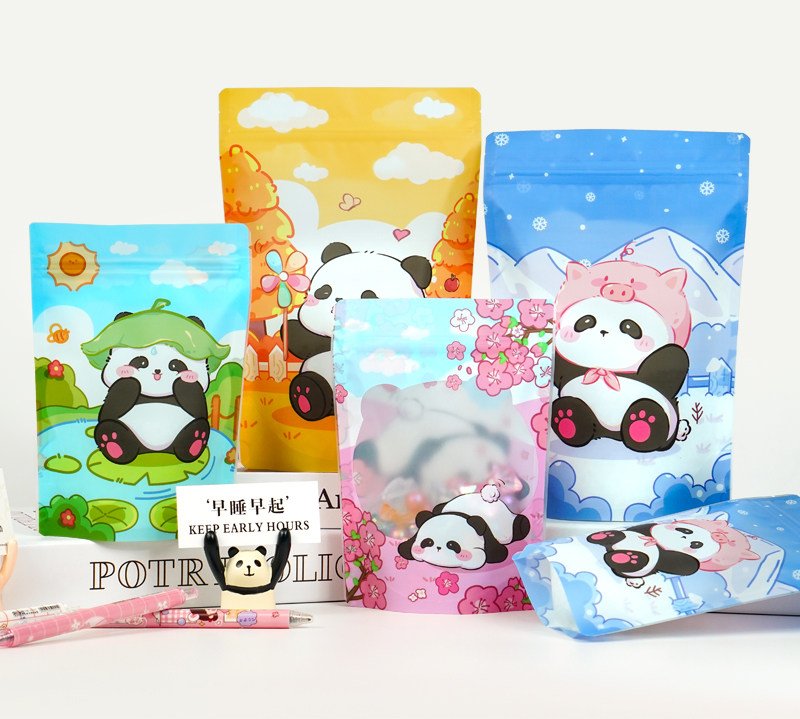
Digital printing applies ink directly onto the packaging film using high-resolution print heads, similar to how a large-format office printer works, but built for industrial materials. It requires no printing plates, which means the setup cost is minimal, and design changes can be made instantly from one job to the next.
The biggest advantages of digital printing are flexibility and speed. If you’re launching a new product, testing a limited run, or managing multiple SKUs with different designs, digital printing is the most cost-effective entry point. You can order as few as several hundred pouches, make changes to the artwork between batches, and have your packaging delivered in days rather than weeks. This speed-to-market advantage is one of the primary reasons digital printing is gaining traction in the flexible packaging industry.
However, digital printing has real limitations. For larger volumes—typically above 10,000 to 20,000 units—the per-unit cost of digital is significantly higher than gravure or flexo. Color consistency can also vary slightly between batches, especially if different machines or substrates are used. And when it comes to metallic effects, high-opacity whites, or specialized surface finishes, digital printing often cannot match the quality of conventional methods.
Best fit: Small to medium runs, frequent design updates, product testing, seasonal promotions, or any scenario where speed and flexibility outweigh per-unit cost concerns.
What Is Gravure Printing and Who Is It For?
Gravure printing is the heavy lifter of the packaging industry. It uses engraved metal cylinders—one for each color—to transfer ink onto the film. The engraving depth determines the amount of ink applied, which allows for exceptional color depth, consistent density, and fine detail reproduction that is difficult to achieve with other methods.
The primary strength of gravure is quality and consistency at scale. Once the cylinders are engraved, the printing process is extremely stable, making gravure the preferred choice for long-run production—typically 50,000 units or more per design. It handles intricate gradients, fine text, and complex illustrations with precision. Color matching across batches is highly reliable, which is essential for brands with strict visual identity standards and multiple packaging suppliers.
The main drawback is upfront cost. Engraving cylinders is expensive and time-consuming. Each color requires its own cylinder, so a six-color design means six cylinders, each costing anywhere from several hundred to over a thousand dollars depending on complexity. This setup cost must be amortized across the entire print run, which means gravure only becomes cost-effective at higher volumes. Additionally, once the cylinders are engraved, making even a small design change—like updating a logo or changing a text line—requires re-engraving the entire cylinder, which adds both cost and lead time.
Best fit: Large, stable print runs where the design is finalized and unlikely to change. Industries like pet food, coffee, snack foods, and household products commonly use gravure for their high-volume packaging needs.
What Is Flexographic Printing and Who Is It For?
Flexographic printing sits between digital and gravure in terms of both cost and capability. It uses flexible rubber or photopolymer plates wrapped around rotating cylinders to apply ink to the film. The plates are less expensive than gravure cylinders and can be produced relatively quickly, making flexo a middle-ground solution for mid-range volumes.
The main advantage of flexo is its balance of cost and quality. For print runs that fall between digital and gravure volumes—typically 5,000 to 50,000 units per design—flexo offers a competitive per-unit cost without the high cylinder engraving fees of gravure. It handles a wide range of materials and ink types, including water-based and UV-curable inks, which makes it a versatile option for different packaging applications. Flexo is also faster to set up than gravure, so turnaround time is generally shorter.
The trade-offs are color and detail limitations. Flexo cannot reproduce the fine detail, smooth gradients, or consistent color density that gravure can achieve. Solid areas may show slight banding, and fine text may become slightly less crisp over long runs as the plate wears. For brands with simple, block-color designs or large text, flexo is often perfectly adequate. For brands with complex artwork, photo-realistic images, or extremely tight color tolerances, flexo may fall short.
Best fit: Mid-range volumes, simple to moderately complex artwork, or applications where gravure quality is overkill but digital is still too expensive per unit.
How to Choose: A Real-World Decision Framework for Flexible Packaging Printing
When deciding which printing method to use for your custom printed pouches, here are the five questions to work through systematically.
Question 1: What is your expected annual volume per design?
If your order quantity is under 5,000 units, digital is almost always the most cost-effective option. Between 5,000 and 10,000 units, flexo is often the best balance of cost and quality. Above 20,000 to 30,000 units per design, gravure typically delivers the lowest per-unit cost. For volumes between 10,000 and 20,000, the choice depends on artwork complexity and the value you place on color consistency.
Question 2: How complex is your artwork and how important is color consistency?
If your artwork includes photo-realistic images, fine gradients, or complex illustrations, gravure provides the best reproduction quality. If your artwork is primarily bold text, large color blocks, or simple graphics, flexo is usually sufficient. Digital printing handles moderate complexity well but becomes less cost-effective at higher volumes.
Question 3: How frequently will your packaging design change?
If you plan to update your packaging design seasonally, for promotional campaigns, or to comply with changing regulations, gravure is a poor fit because redesigning cylinders is expensive and slow. Digital printing excels in this scenario because changes are instant and cost-free. Flexo falls in the middle—plate changes are less expensive than cylinder re-engraving but still not as flexible as digital.
Question 4: What is your budget for upfront setup costs?
Digital has negligible setup costs. Flexo requires plate costs but is typically manageable for most budgets. Gravure has the highest upfront investment, and these setup costs are non-recoverable regardless of whether the product sells.
Question 5: How important is turnaround time?
Digital can turn around a job in three to five days. Flexo typically requires seven to fourteen days depending on plate production and machine scheduling. Gravure often requires three to four weeks from order to delivery, due to cylinder engraving and proofing cycles.
Common Mistakes to Avoid in Flexible Packaging Printing
One of the most common mistakes we see is brands choosing gravure for their first run because the per-unit cost looks lower, without accounting for the high cylinder investment. If the product doesn’t sell as expected, the packaging investment becomes a sunk cost with no recovery.
Another frequent issue is ordering digital for a product that unexpectedly becomes a best-seller and then being locked into high per-unit costs with no easy upgrade path. If you’re launching a new product, it’s often wise to start with digital or flexo, then transition to gravure once demand is proven.
Finally, relying solely on price per unit without accounting for color consistency, shelf impact, or brand perception can lead to disappointing results. Gravure costs more upfront, but the shelf presence difference can be substantial for premium products.
What a Good Custom Packaging Manufacturer Should Offer
A reliable flexible packaging manufacturer should be able to produce all three printing methods and guide you toward the right choice based on your specific situation. They should provide sample proofs, compare costs across methods, and explain the trade-offs clearly without pushing you toward the option that maximizes their margin.
At BESTONE PACKAGES, we match your project with the most suitable printing technology and help you scale up or down as your business needs evolve. If you’re launching a new product, we’ll start you with a cost-effective solution that protects your quality while minimizing risk. If you’re ramping up for a large production run, we’ll guide you toward the most cost-effective long-term solution.